The Science and Mystery of Purecybin DMT
In the landscape of human consciousness, few keys open as many doors as N,N-dimethyltryptamine (DMT). Known colloquially as “The Spirit Molecule,” this naturally occurring tryptamine has been thrust into the spotlight of modern neuroscience. While traditional use has long been associated with the Amazonian brew ayahuasca, the emergence of synthesized and extracted Purecybin DMT offers a unique, ultra-fast route to the deepest realms of the psychedelic experience.
Unlike the hours-long journey of psilocybin or LSD, DMT offers a profound, immersive altered state that rises and falls within minutes. Here is a deep dive into the pharmacology, phenomenology, and therapeutic potential of this extraordinary compound, synthesized from the latest scientific findings.
The Ultra-Fast Pharmacology: Why Duration Matters
One of the most striking features of Purecybin DMT is its pharmacokinetic profile. When inhaled or injected intravenously, DMT produces a “breakthrough” experience within one minute, lasting only 15 to 30 minutes. This rapid metabolism is due to its destruction by monoamine oxidase (MAO) enzymes in the gut and liver.
This ultra-fast, short-acting nature presents a distinct advantage for clinical research. Unlike traditional antidepressants or even psilocybin, which require hours-long therapy sessions, DMT allows for a flexible, single-day dosing regimen. Early clinical trials suggest that a 15-30 minute DMT intervention can induce marked improvement in depressive symptoms within 24 hours, sustaining for at least one week.
The “Entropic Brain” and Network Control
What happens in the brain during these 20 minutes is a symphony of neural reorganization. Researchers have utilized network control theory to map the energy trajectories of the brain under DMT. The findings are striking: DMT significantly reduces the “control energy” required for the brain to transition between different states.
Essentially, the brain becomes more flexible. Under normal conditions, our brain operates within predictable, energy-efficient networks (like the Default Mode Network). Under DMT, the barriers break down. Studies show a suppression of low-frequency connectome harmonics and an increase in high-frequency harmonics, indicating that brain activity decouples from its rigid structural wiring. This increase in neural entropy correlates directly with the intensity of the subjective experience—the harder the brain works in this “entropic” state, the more profound the trip.
The Phenomenology: Entities, Hyperspace, and the Soul
While the neurochemistry is complex, the subjective experience of Purecybin DMT is defined by its vividness. Users consistently report experiences distinct from other psychedelics. A survey by Griffiths et al. found that DMT produces higher rates of “complete mystical experiences” compared to psilocybin or LSD, specifically scoring higher on ineffability and transcendence of time and space.
The Entity Encounter
Perhaps the most fascinating aspect of DMT is the recurring theme of entity encounters. Rick Strassman’s research at the University of New Mexico documented that volunteers frequently reported encounters with intelligent nonhuman presences—aliens, angels, spirits, or “elves”.
Follow-up surveys indicate that 80% of respondents reporting such encounters felt the experience profoundly altered their perception of reality, with 65% describing the entities as “more real” than typical waking consciousness. Whether viewed as hallucinations or discarnate entities (a topic of ontological debate in parapsychology), these beings often communicate via a perceived “visual language” and impart gnosis—intuitive or esoteric knowledge.
Therapeutic Potential and Unique Advantages
The science of DMT is moving from the mystical to the medicinal. Here is why Purecybin DMT stands out in the psychedelic medicine space:
1. No Tolerance Build-Up
Unlike LSD or psilocybin, which induce rapid tachyphylaxis (tolerance), DMT does not build tolerance. Strassman’s studies showed that volunteers receiving four closely spaced doses of DMT experienced no reduction in hallucinogenic intensity. This allows for repeated dosing strategies without washout periods.
2. Beyond Serotonin
While DMT is a classic serotonergic psychedelic acting on 5-HT2A receptors, its effects are broader. DMT activates sigma-1 receptors, acts as a substrate for serotonin transporters (SERT), and interacts with trace amine-associated receptors (TAAR1). This unique pharmacology may explain its distinct visual effects and potential neuroprotective qualities.
3. The Endogenous Connection
DMT is one of the only powerful psychedelics produced endogenously in the human body. Found in the pineal gland, lungs, and cerebrospinal fluid, its natural function remains a mystery. However, rodent studies show DMT levels spike during cardiac arrest, leading to the controversial but compelling hypothesis that it mediates near-death experiences (NDEs). This links the drug to the biological mechanisms of birth, death, and deep meditation.
Safety, Challenges, and the Future
From a safety perspective, DMT appears to have limited neurotoxicity. However, the intense cardiovascular effects and the potential for acute psychological distress (anxiety, fear) require controlled settings. The primary challenge for Purecybin DMT as a medicine is the duration of the antidepressant effect. While the immediate impact is strong, researchers are still determining how to sustain the therapeutic response without requiring daily dosing.
Conclusion
Purecybin DMT sits at a unique intersection of ancient shamanic wisdom and cutting-edge neuroscience. It forces us to ask uncomfortable questions about the nature of reality, the role of endogenous psychedelics in our daily consciousness, and how we might use ultra-fast neuroplasticity to treat depression. Whether you call it a spirit molecule or a neural reset switch, DMT remains one of the most powerful tools for exploring the architecture of the human mind.
Purecybin Dmt
Purecybin Dmt
Purecybin Dmt
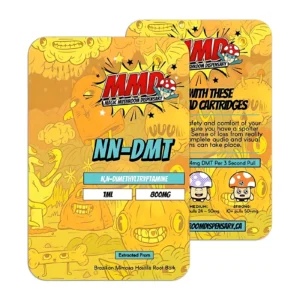
Purecybin Dmt
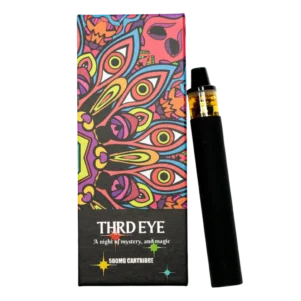
Purecybin Dmt